Chronic back pain is rarely about one problem, one treatment, or one specialty. It is a moving target influenced by tissue injury, nerve sensitization, sleep, stress, fitness, work demands, and past medical history. A seasoned pain management doctor reads that entire picture, then builds a plan that evolves. If you are weighing when to see a pain management physician, what to expect, and which treatments are worth considering, the details below reflect what actually works in a clinic that sees back pain every day.
Who a pain management doctor is and why it matters
“Pain management” is an umbrella, not a single credential. A pain medicine doctor may come from anesthesiology, physical medicine and rehabilitation, neurology, or, less commonly, psychiatry or family medicine. Look for a board certified pain management doctor with fellowship training in pain medicine. That path signals specific experience in image-guided procedures, opioid stewardship, and multimodal care. Equally important, you want a pain management provider who collaborates easily with physical therapists, spine surgeons, and behavioral health professionals. Chronic back pain is multidisciplinary by nature, and the best pain management doctor functions as a quarterback, not a silo.
A pain management specialist evaluates beyond the MRI. Many patients arrive with a disc report and a hope for a single fix. The job of a pain management MD includes translating imaging into what truly drives the symptoms. Is the pain axial, radiating down a leg, or both. Does it worsen with sitting, standing, flexion, or extension. Which movements provoke nerve tension. These small distinctions point to the right pain management procedures doctor or non surgical pain management doctor approaches.
The first visit: how a good evaluation is built
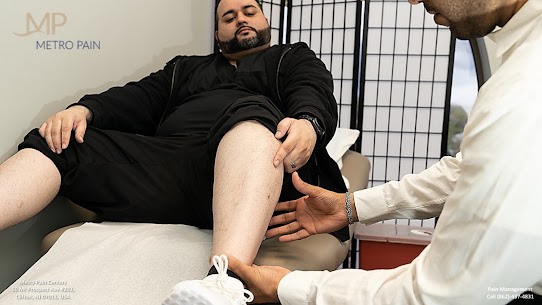
A comprehensive pain management doctor does not jump to injections. The initial visit typically runs 45 to 60 minutes for complex back pain. Expect careful history taking: onset, triggers, morning versus evening pattern, prior injuries, sports, work ergonomics, sleep quality, mood, and any red flags like fever, weight loss, or progressive weakness. A pain management evaluation doctor checks neurologic function, reflexes, strength, sensation, gait, and provocative maneuvers like straight leg raise or femoral stretch. Palpation of the lumbar paraspinals, sacroiliac joints, and greater trochanter areas helps sort spine pain from referred hip or gluteal pain.
Imaging often helps, but timing matters. Many patients already carry MRIs. A pain management and spine doctor will correlate those images with the exam. A small L5-S1 herniated disc may be the main culprit if it matches radiculopathy down the lateral calf and foot. The same bulge could be a red herring in someone whose pain is purely axial and mechanical, worse with extension and improved when seated. The pain management consultation doctor’s task is pattern matching. If imaging is outdated or if symptoms changed, a new MRI can clarify. In select cases, a nerve conduction study from a pain management and neurology doctor can separate peripheral neuropathy from lumbar radiculopathy.
The tiered approach: start conservative, escalate intelligently
Most chronic back pain deserves a staged plan. The aim is to free you from the seesaw of flare and rest. A chronic pain specialist will often set a four to eight week window for active rehabilitation before considering procedures, unless there is severe radiculopathy with weakness or intractable pain.
Targeted physical therapy is the anchor. This is not a generic list of stretches. A pain management and rehabilitation doctor will coordinate with a therapist who evaluates spinal mechanics, hip mobility, core endurance, and motor control. In my clinic, patients often start with three skills: diaphragmatic breathing to reduce trunk bracing and pelvic floor guarding, hip hinge training to spare the lumbar segments in daily tasks, and graded walking with intervals to rebuild aerobic base without aggravating the spine. The physical therapist also addresses pain driven movement adaptations that can cause new issues, for example, limping that irritates the sacroiliac joint.
A pain control doctor may add short courses of anti-inflammatories if appropriate, neuropathic agents like gabapentin or duloxetine for nerve pain, and topical agents such as lidocaine or diclofenac. Sleep upgrades matter more than most patients expect. Poor sleep amplifies central sensitization and reduces pain thresholds. Simple measures, from consistent sleep timing to addressing untreated sleep apnea, can shift pain scores by one to two points on average.
A pain management expert will also look for neglected drivers: osteoporosis in older patients with compression fractures, inflammatory arthropathy, or hidden hip pathology. In a laborer with recurrent flares, the pain management practice doctor will ask detailed questions about lifting patterns, belt use, and rest breaks. Small ergonomic wins often outlast pills.
When procedures help: a candid map of interventional options
An interventional pain management doctor brings precision when conservative measures plateau. Procedures can diagnose and treat at the same time. The right choice depends on anatomy, pain pattern, and response to prior treatments.
Epidural steroid injections target radicular pain. If you have sciatica from a herniated disc or foraminal stenosis and your leg pain exceeds back pain, an epidural injection pain doctor may offer a transforaminal epidural. When performed under fluoroscopy with contrast confirmation, the steroid bathes the inflamed nerve root. Relief timelines vary. Some feel better in 48 to 72 hours, others in one to two weeks. The goal is not only temporary relief, but a window to resume rehab that was too painful before. Good candidates often report 50 percent or more leg pain relief that lasts weeks to months. An advanced pain management doctor sets reasonable limits on frequency, usually no more than three injections in a six to twelve month period, to avoid steroid burden.
Facet mediated pain behaves differently. If your back pain worsens when you lean back, stand still, or twist, and improves with sitting, painful facet joints may be the source. A spinal injection pain doctor may perform diagnostic medial branch blocks. Tiny amounts of local anesthetic are placed on the nerves that carry pain from those joints. If pain drops quickly by at least 50 percent for the duration of the anesthetic, the radiofrequency ablation pain doctor may consider denervation. Radiofrequency ablation uses heat to interrupt those pain fibers, often delivering six to twelve months of relief. I have patients who repeat ablations every year or two and stay active without daily medications.
Sacroiliac joint pain mimics lumbar pain and often follows pregnancy, falls, or a change in gait. If two or more provocative tests are positive and imaging rules out other pathology, a pain management injections specialist may inject the joint under imaging guidance. Again, the target is a meaningful relief window to advance stabilization exercises. Surgical fusion is a last resort.
For a contained, painful disc that resists therapy, emerging options like basivertebral nerve ablation may help a subset of patients with Modic changes on MRI. Not everyone is a candidate, and long term data is still maturing. A comprehensive pain management doctor will discuss risks and alternatives transparently.
Medication strategy with discipline and nuance
The best pain management doctor uses medications to enable function, not to chase a number on a scale. Non opioid choices are first line when safe. NSAIDs can be effective for mechanical flares, but they are not harmless. The pain medicine physician needs to know your kidney function, blood pressure, and GI history. Acetaminophen helps some patients, less so for severe radicular pain. Neuropathic agents like gabapentin, pregabalin, or duloxetine can dampen nerve pain. Start low, titrate slowly, and watch for dizziness or sedation. Topicals, from 5 percent lidocaine patches to compounded creams, add a local option with minimal systemic risk.
Opioids have a narrow role in chronic back pain. A non opioid pain management doctor will still evaluate whether a short, goal directed course makes sense during acute flares or immediately after a procedure. For long term use, the bar is high: objective functional improvement, stable dosing, and lack of risky side effects. Many patients do better with an opioid alternative pain doctor approach that uses interventional treatments, movement therapy, and psychological tools. If opioids are part of care, a medical pain management doctor follows state regulations, uses agreements and periodic reviews, screens for sleep apnea, and avoids dangerous combinations like benzodiazepines when possible.
The underestimated half: brain and behavior in chronic pain
Chronic pain changes the nervous system. It increases the volume on normal signals, amplifies threat responses, and makes the body guard and brace. A pain management consultant who ignores this dimension leaves results on the table. Cognitive behavioral therapy for pain, mindfulness based stress reduction, and pain reprocessing techniques do not mean the pain is imagined. They retrain attention, reduce catastrophizing, and improve self efficacy, which in turn lowers pain intensity and distress.
I often tell patients a story from clinic. A middle aged carpenter had persistent low back pain with intermittent sciatica. He was strong and disciplined, but guarded every movement. After a targeted epidural injection reduced his leg pain, we paired graded exposure with a pain psychologist. He practiced bending under supervision, first eight inches, then twelve, then to mid shin. He learned to relax the breath and stop scanning for failure with each rep. Three months later he was back to work with fewer flares than in the prior two years. The injection alone would not have accomplished that. Nor would therapy alone, given his level of nerve root irritation.
Special scenarios and how a pain specialist doctor adjusts
Pregnancy related back pain often involves laxity and sacroiliac joint strain. A holistic pain management doctor focuses on pelvic stabilization, belts during long standing, sleep positioning with pillows, and manual therapy. Injections are rarely used unless severe and after obstetric discussion.
Older adults need bone health considered. A sudden increase in back pain after minor strain may be a compression fracture. A pain management and orthopedics doctor might recommend bracing, calcitonin for short term analgesia, and coordination with endocrinology for osteoporosis treatment. Vertebral augmentation can be discussed in select cases.
Post surgical back pain is common. Scar tissue, adjacent segment disease, or hardware irritation can drive symptoms. Here, a pain management and spine doctor maps out the pain generator, sometimes with selective nerve blocks. Epidurals may still help radicular pain. Facet or sacroiliac sources become more likely after fusion. The goal is not to layer procedure over procedure, but to sequence care with clear endpoints.
Fibromyalgia complicates back pain. A pain management doctor for fibromyalgia will focus on sleep, gradual aerobic conditioning, gentle strengthening, and central pain modulators. Over imaging and aggressive procedures often disappoint these patients. If a clear local generator exists, treat it, but keep expectations grounded.


Neuropathy overlaps with lumbar issues in diabetics or chemotherapy survivors. Numbness in a stocking distribution points to peripheral neuropathy more than a single nerve root. A pain management doctor for neuropathy coordinates glycemic control, vitamin optimization if needed, and foot care, while using systemic agents at carefully titrated doses.
When to consider surgery, and when to hold
A pain management doctor for herniated disc is keenly aware of surgical thresholds. Progressive motor weakness, cauda equina symptoms, or intractable pain despite well executed conservative care are tipping points. Many disc herniations shrink over six to twelve months. If symptoms steadily improve, the non surgical pain management doctor path remains rational. If severe radiculopathy persists beyond three months with disabled function, a surgical opinion is appropriate. The pain management expert physician should not be defensive about this. The role is to present options and coordinate timing so that no opportunity window is missed.
Spinal stenosis with neurogenic claudication often improves with flexion based therapy and epidurals. If walking tolerance remains limited to minutes, a minimally invasive decompression may restore function better than cycling through injections. A pain management and orthopedics doctor or spine surgeon should join the conversation early if conservative response stalls.
What “comprehensive” looks like day to day
A comprehensive pain management doctor does not prescribe a single plan and disappear for six months. Expect scheduled follow ups, severity tracking, and adjustment. If an epidural yields only two weeks of relief, your pain management provider will reconsider the target level, the choice of steroid, or whether the true pain generator was misidentified. If PT stalls, the pain management MD may change therapists or style, for example, from passive modalities to active motor control. If medication side effects crop up, doses can be split or alternatives tried.
Care is not one size fits all. A warehouse worker with heavy lifting needs different milestones than a desk based programmer with tight hamstrings and stress related flares. A long term pain management doctor anticipates seasonality: winter stiffness, spring yard work injuries, holiday stress. The clinician who keeps a running picture of your life builds more durable care plans.
Practical ways to choose a pain management clinic doctor
- Verify board certification in pain medicine and the base specialty, for example anesthesiology or PM&R. Ask how many spinal procedures they perform per month and whether they use fluoroscopy or ultrasound for guidance. Ask about philosophy. Do they start conservatively, set timelines, and use procedures to enable function, not as an endpoint. Look for a multidisciplinary pain management doctor team or partners they work with: physical therapy, psychology, spine surgery, neurology. Clarify communication. Will you have direct portal access, clear post procedure plans, and coordinated follow up. Review outcomes and expectations. A good pain relief doctor talks in probabilities and ranges, not guarantees.
Realistic timelines and what improvement feels like
Patients often ask, how long until I feel normal. That depends on the driver. For mechanical low back pain without significant nerve involvement, four to eight weeks of disciplined therapy usually produces tangible gains: better morning mobility, fewer end of day spasms, and improved walking tolerance. With radiculopathy, the leg pain tends to improve first after epidural or time, then the back pain. A reasonable target is 30 to 50 percent improvement in the first two months, then continuing gains. If nothing changes after a well executed plan, the pain management procedures doctor reconsiders the diagnosis, not the patient’s willpower.
Set functional markers. Can you sit 45 minutes without shifting every two minutes. Can you grocery shop without leaning on the cart. Can you tie your shoes without holding your breath. These are better than a raw pain score for guiding care. Many patients stabilize at a new normal: some soreness after heavy days, but flare cycles that are shorter and less disruptive. That counts as success in chronic conditions.
Bridging care for complex pain
Complex pain management doctor work often involves multiple pain generators. Consider an older adult with scoliosis, facet arthropathy, and mild stenosis. We might layer care: flexion based PT and walking intervals, medial branch blocks leading to radiofrequency ablation for axial pain, then selective epidural for intermittent leg symptoms. Medications are kept light, monitored, and pared back when procedures work. The patient learns to pace house projects pain management doctor NJ and breaks big tasks into 20 minute chunks with brief posture resets. Over a year, that person may avoid surgery, maintain independence, and keep medications minimal.
On the other end, a high performing athlete with pars stress injury needs a precise ramp: relative rest, bracing in rare cases, then a return to sport plan with load management. The pain treatment doctor coordinates imaging follow up and coaches on technique changes. Injections are rarely the star here.
The role of targeted injections without overuse
There is a misconception that a pain management injections doctor is eager to inject anyone, anywhere. In reality, the better the clinician, the more selective the needle. Diagnostic blocks should answer a question. Therapeutic injections should unlock a function goal: return to PT, travel for work, or finish a season with less misery. Repetition without strategy is a red flag. I often tell patients to judge each procedure by two measures: how much relief did they get, and what could they do with that relief. If both answers are weak, change course.
Safety, preparation, and recovery details that matter
For fluoroscopic procedures, bring a list of all medications. Blood thinners like warfarin or newer agents require coordination with your prescribing doctor. Many procedures do not need sedation. If light sedation is offered, do not drive afterward. Plan a calm day after radiofrequency ablation or sacroiliac joint injection. Ice or heat can be used as preferred. Track your pain in a simple log for two weeks. Note activities that felt easier, not just pain numbers. A pain management medical doctor appreciates concrete feedback: stood 30 minutes at the sink without pain, slept through the night, climbed stairs smoother.
Adverse events are uncommon but real. Headache after epidural may signal a dural puncture, especially if it worsens when upright and improves when lying down. Serious infection or bleeding is rare, but fever, severe new back pain, or neurological changes need urgent attention. A responsible pain management care provider ensures you know who to call and when.
How this plays out if you are searching “pain management doctor near me”
Local access varies. Academic centers may offer advanced trials and a deep bench of specialties, but wait times can be longer. Private practices may see you faster and offer personalized care. Read beyond star ratings. Look for clear explanations in their materials, not just lists of procedures. A multidisciplinary pain management doctor or practice that shows outcomes and patient education materials tends to value partnership. If travel is tough, ask about telehealth for some follow ups.
Building durability: what keeps gains from unraveling
The final step is often the most neglected. Once pain eases, the temptation is to stop the work. Durable improvement hinges on habits. Keep two to three spine hygiene practices: daily micro mobility routine, regular walking or cycling three times a week, and strategic strength sessions that include hips and core. Mind your sleep and stress budget. If you know yard work or long drives trigger you, pre load the day with movement breaks and post load with recovery. See your pain management specialist for scheduled check ins before flares spiral.
Patients who stick with these rhythms usually cut flare frequency in half within a year. They hold steady on minimal meds, and when a setback hits, they already know the first three moves. That confidence is often the biggest dividend from working with a seasoned pain management doctor for chronic back pain.
Bringing it together
Chronic back pain rarely yields to a single tactic. The best results come from a layered plan built by a pain management expert who knows when to wait and when to act. Start with a careful evaluation, use physical therapy as the backbone, add targeted medications and procedures when the pattern supports them, and train the nervous system alongside the muscles. If you choose your pain management doctor with the same care you would a financial planner or contractor, and if you commit to the day to day work, the odds shift. Pain becomes one part of life rather than the center of it.